01
9d
Most common failure
Late replacement cycle
New static batches often land after fatigue already shows up in the account.

Founder-led static Meta creative for brands already spending on Meta
For DTC operators, CMOs, and media buyers already running static Meta ads. The job is not making one more pretty asset from scratch. The job is adapting proven creative logic into more fresh angles before fatigue catches up.
Jobs Done Across Brands + Concepts
These are category boards, not client case studies. The point is to show how the output changes by niche, positioning, and concept family.
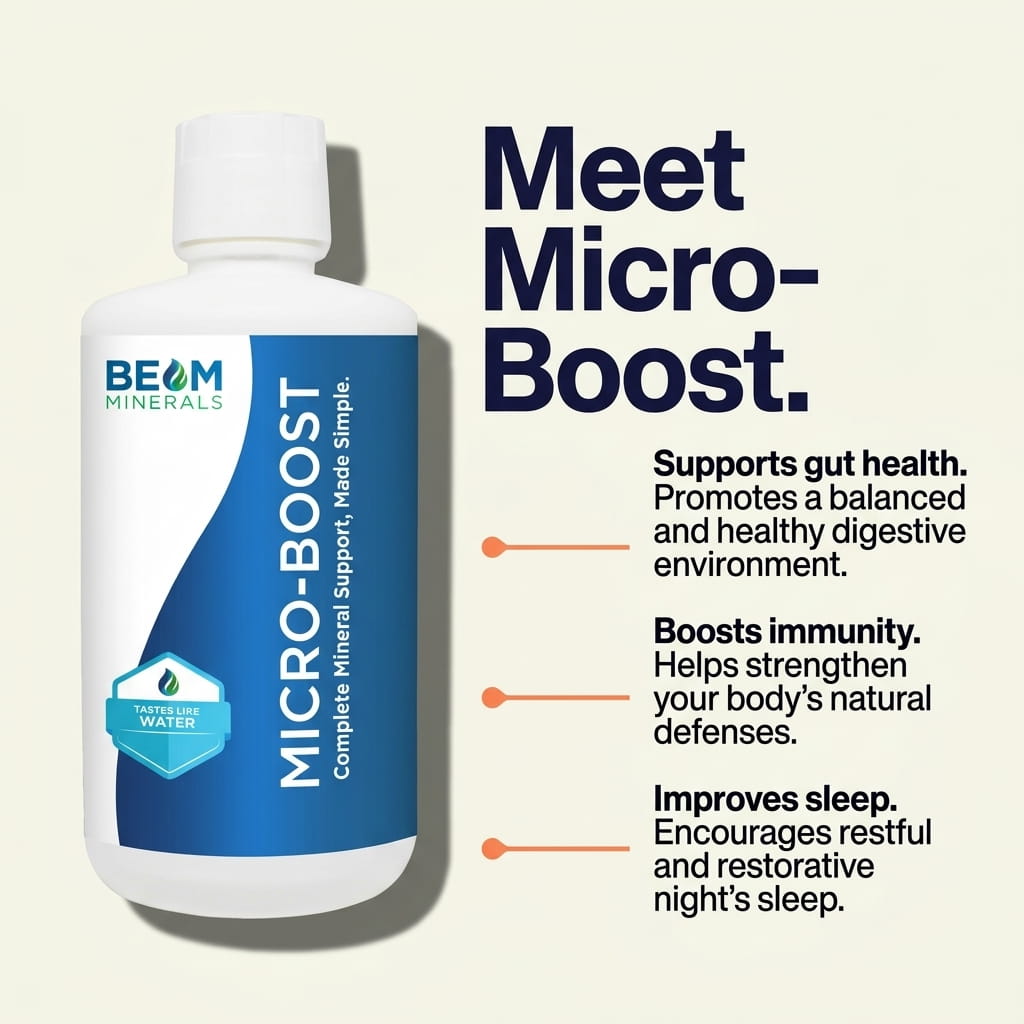
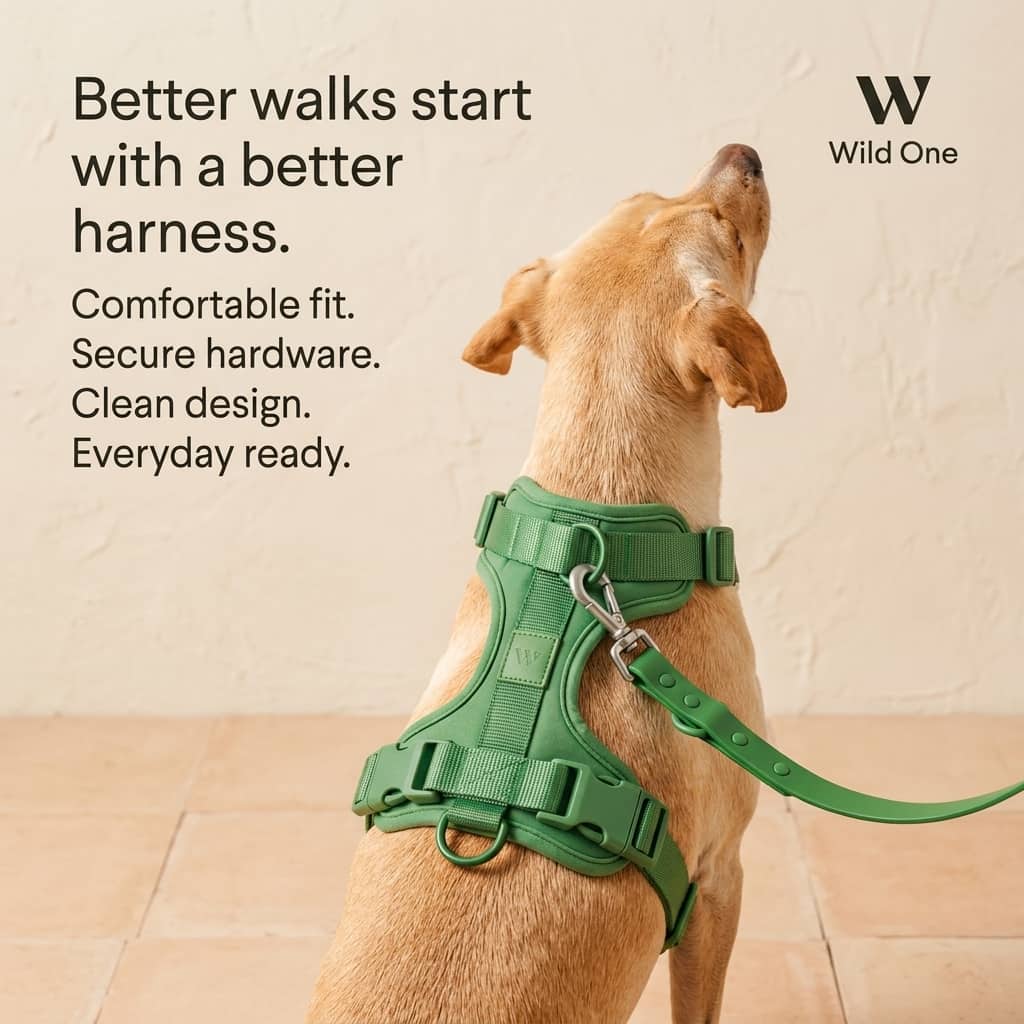
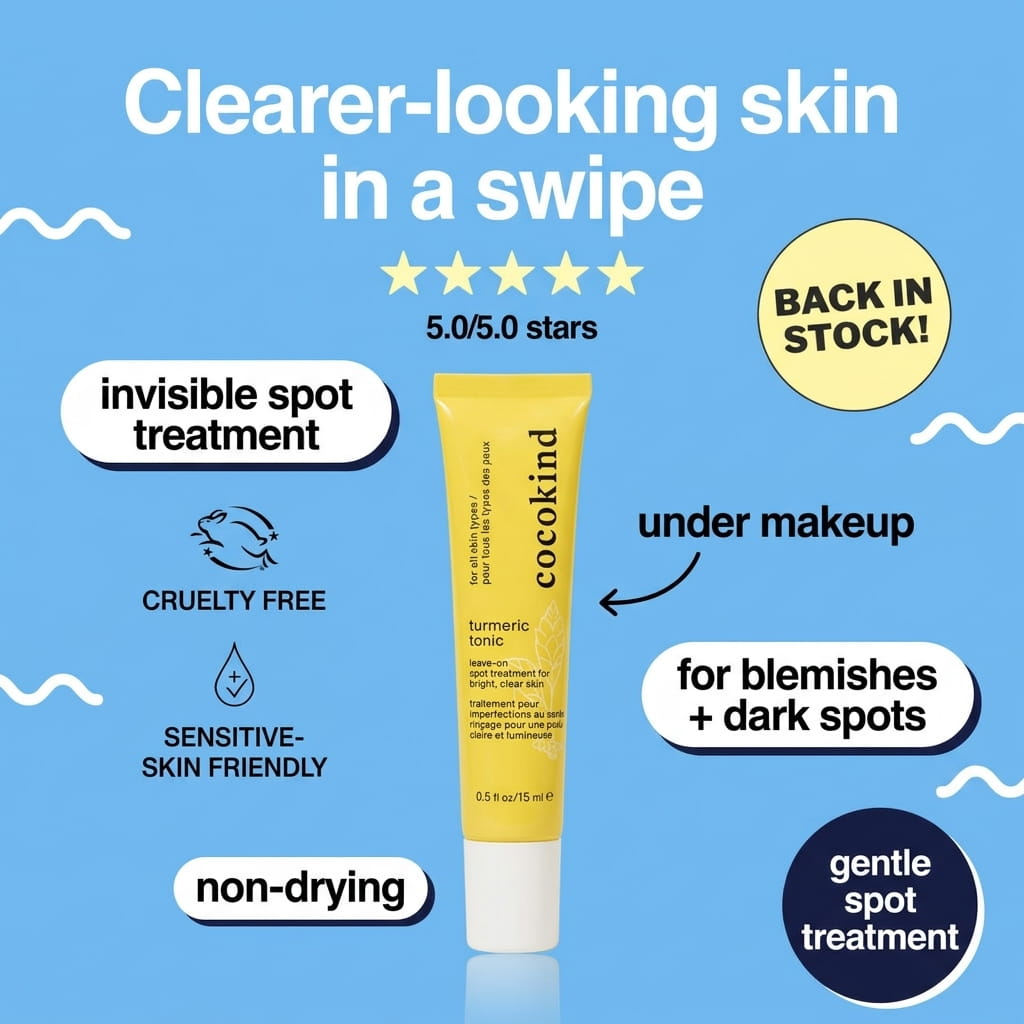
Skincare
Spot-treatment concepts built to test problem awareness, gentle-use reassurance, ingredient framing, and retail-clean benefit communication.
Built to widen coverage with faster hooks, clearer positioning, and more routes to test inside the account.
 Benefit-led hero
 Why Past Attempts Failed
Most common failure
New static batches often land after fatigue already shows up in the account.
Typical failure pattern
Stale creatives stay live longer because there is not enough replacement volume ready.
Typical failure pattern
Design, copy, approvals, and exports turn one refresh into a slow queue.
Typical failure pattern
That is rarely enough concept coverage for an active Meta account.
The Real Problem
You do not need a few prettier creatives. You need a system that can replace, widen, and refresh static ads fast enough to matter.
Operational reality
Meta rewards fast concept replacement. Most teams are still built for slow creative projects and staged approvals.
Operational reality
A few new ads show up after momentum slips, so the account tests narrow, late, and under-covered.
Creative production is being treated like a design project when the platform rewards a living replacement system.
The Solution
Start from the to extract core product information and branding details.
Break down the category, buyer motivations, objections, and awareness levels before concepts get expanded.
Push one offer through multiple hooks, layouts, proof frames, and positioning routes.
You get a reviewed batch back, already structured to test inside Ads Manager.
Template Library
This library is built from proven static ad structures already tested in-market by brands spending real money on creative. The point is not to invent from zero every time. The point is to adapt working concept logic to a new product quickly and in bulk.
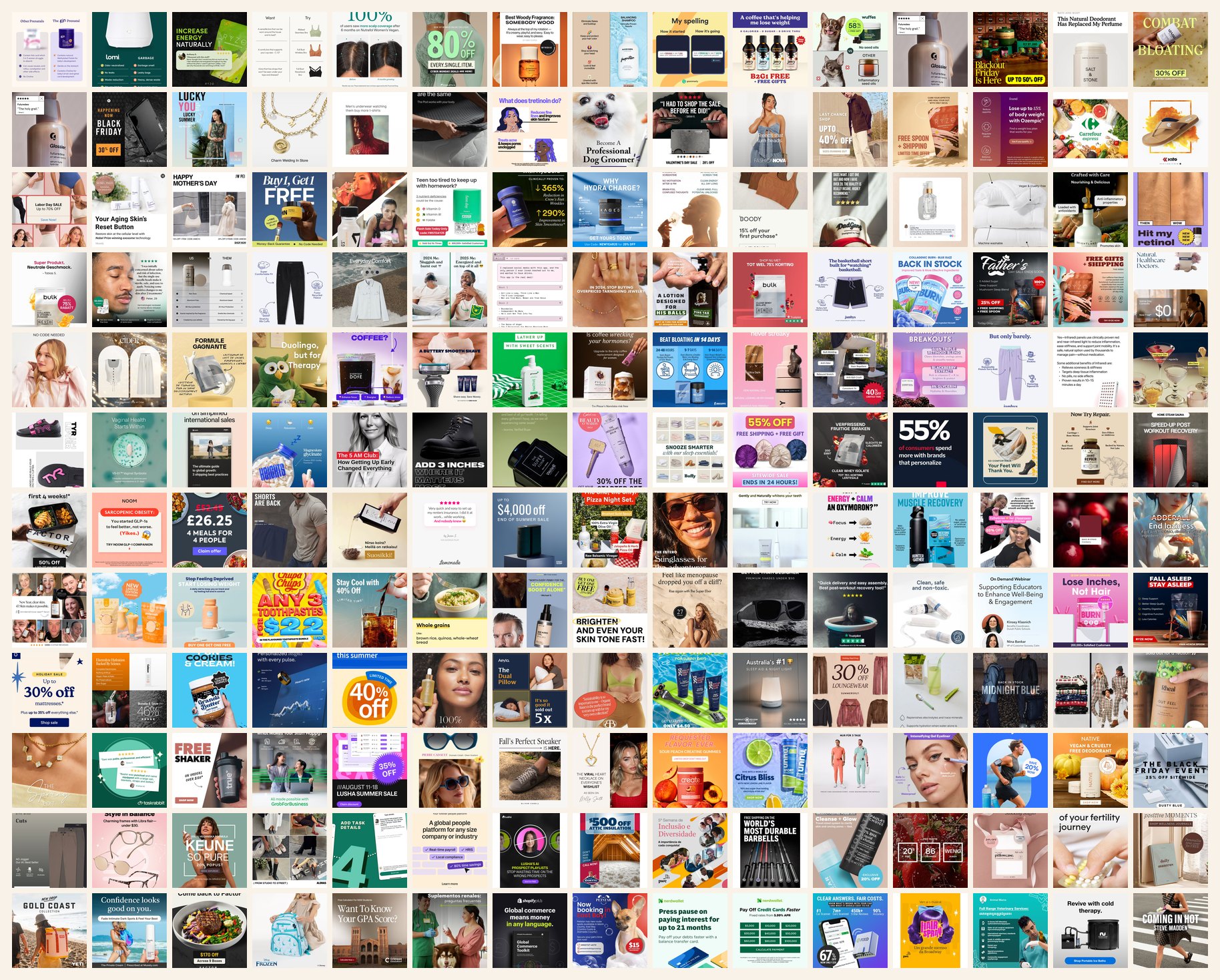
Outputs are filtered the way a DTC operator filters creative: for usability, not novelty.
More concepts land in the account faster, without waiting on a design bottleneck.
The system absorbs the repetitive volume so the team can stay on higher-leverage work.
When winners flatten, you already have more routes ready to launch.
Choose a batch size
Pilot
Best for first test
Validate fit fast with one product and one reviewed batch.
What you get
Growth
Best for active testing
Built for active accounts that need broader angle coverage each week.
What you get
Scale
Best for ongoing volume
For teams that already know they need volume and a faster refresh cadence.
What you get
Async Intake
Use it as a fast handoff. Buy first and send details after, or submit the form to confirm fit.
Received
I will review the submission and follow up by email. If payment is already handled, that is enough to start the pilot.
About Gytis V.
Gytis built and operated 8-figure DTC brands. That means the standard here is not whether a creative looks interesting in isolation. It is whether the batch is usable inside a real Meta testing workflow and worth shipping fast.
A faster way to get more testable static ads into the account, filtered by someone who has already spent years inside DTC creative decisions.
Built and operated 8-figure DTC brands
Knows what actually gets tested versus ignored
Built this system from internal throughput pain, using proven ad logic instead of novelty for novelty’s sake
FAQ
Keep using them when they are the right fit. This sits in the gap between good design and enough testing volume. Most teams do not lose because they lack taste. They lose because fresh concepts ship too slowly and too narrowly.
Because the edge is not raw image generation by itself. The edge is starting from proven ad structures, adapting them to your product, and shipping a reviewed batch with real angle coverage instead of loose AI outputs.
You receive approved static Meta ad creatives as JPG files, built around multiple hooks and layouts for the product you submit. The Pilot covers one product and one reviewed batch.
Average delivery time is about 18 hours, and the public Pilot promise stays inside a 3-business-day window.
No. The flow is designed to close and onboard asynchronously. You can buy, submit the intake, and receive delivery without scheduling a sales call.
Human QA is included before delivery. If something obvious slips through or an output is clearly broken, it gets replaced.
Yes. If you already know which hooks, angles, or layouts are working, those can be used as direction for the next batch.
Because the deliverable is not raw AI images. You are paying for proven creative logic applied to your brand in bulk, faster production, broader angle coverage, operator oversight, and a batch that is actually usable inside Meta testing.